
Dark Lip Neutralization (DLN) in Falls Church, VA
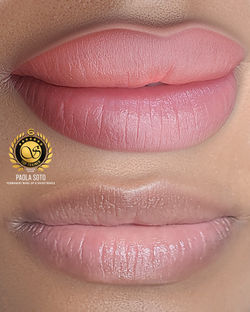
Dark lip neutralization (DLN) is a color-correction lip treatment for naturally dark, uneven or hyperpigmented lips. Using color theory, we apply custom corrective pigments that neutralize dark or cool tones. This creates an even, brighter base. From there, you can keep a natural look or move on to lip blush for your ideal color.
Who DLN Is Best For
-
Naturally darker lips or lips with uneven two-tone color
-
Lips with cool, purple or brown undertones clients want to balance
-
Clients who want lip blush but whose natural lip color would change how the pigment heals
-
Clients with melanin-rich skin who want a treatment designed for their skin
How DLN Works
-
Skin and lip color assessment. We identify your undertones to select the right corrective pigment.
-
Neutralization sessions. Correction is built gradually. Most clients need more than one session, and we'll give you a realistic plan at consultation.
-
Optional lip blush once the base is even
 |  |  |  |
|---|---|---|---|
 |  |
Dark Lip Neutralization: Frequently Asked Questions
What is dark lip neutralization?
Dark lip neutralization is a specialized permanent makeup procedure designed to visually balance naturally dark, cool, brown, gray, purple, or uneven lip pigmentation. Carefully selected corrective pigments are implanted into the lips to create a warmer, brighter, and more even appearance.
Is dark lip neutralization the same as lip blush?
No. Traditional lip blush enhances lips that already have a relatively even natural base. Dark lip neutralization first addresses cool or uneven pigmentation using corrective color theory. Once the lips have healed to a more balanced tone, a target lip color may be added during a later session when appropriate.
Does the treatment bleach or lighten the natural skin?
No. Dark lip neutralization does not bleach the lips or remove melanin. It uses corrective pigment to visually balance the existing lip tone. Results vary according to the client’s natural pigmentation, undertone, skin response, and pigment retention.
Why are orange, peach, or warm pigments used?
Warm corrective colors help counteract cool blue, purple, gray, or brown tones. The corrective pigment may look very bright immediately after treatment, but it should not be judged while fresh. The color changes considerably as the lips heal and blend with the natural pigmentation.
How many sessions will I need?
Dark lip neutralization usually requires multiple sessions. Some clients may need two sessions, while deeper, cooler, or uneven pigmentation may require three or more. Each session must heal completely before the next treatment plan can be determined.
How long must I wait between sessions?
Sessions are generally scheduled at least six to eight weeks apart to allow the lips to heal and the color to stabilize. Treating the lips again too soon can increase trauma and make the healed outcome more difficult to evaluate.
Can I choose my final lip color during the first session?
The first priority is correcting and balancing the natural undertone. A preferred target color may be introduced only after adequate neutralization has been achieved. Very pale, cool, or dramatically different colors may not be realistic for every natural lip tone.
What should I expect immediately after treatment?
The lips may appear swollen, bright, warm-toned, or significantly more intense than expected. This is temporary. Swelling generally decreases, and the corrective color softens considerably during healing.
What happens during healing?
Dryness, tightness, flaking, and temporary unevenness may occur. After the surface heals, the pigment can appear very light or seem to disappear before gradually becoming more visible. The final result should not be evaluated until the lips have healed completely.
Can the lips become darker after the procedure?
Temporary darkening or unevenness can occur during healing. Melanin-rich lips may also react unpredictably to inflammation or trauma, which is why conservative technique, proper color selection, sufficient healing time, and careful aftercare are essential. Results cannot be guaranteed.
How long do the results last?
Results commonly remain visible for several years, but longevity varies according to natural pigmentation, skin response, lifestyle, sun exposure, medications, aftercare, and pigment retention. Periodic color maintenance may be needed.
Is dark lip neutralization painful?
The lips are sensitive, and clients may experience pressure, scratching, vibration, or moderate discomfort. A topical anesthetic may be used to improve comfort, although sensitivity varies between individuals and sessions.
What if I have a history of cold sores?
Lip procedures can trigger a cold-sore outbreak in clients who carry the herpes simplex virus. Disclose any history of cold sores before booking and consult an appropriate healthcare professional about whether prescription antiviral medication is recommended. Do not begin or change medication without medical guidance.
Can you neutralize previous permanent lip color?
Possibly, but previously tattooed lips require an evaluation. The existing pigment’s color, saturation, depth, shape, and migration must be considered. Some cases may require correction or removal planning rather than standard dark-lip neutralization.
Is everyone a candidate for dark lip neutralization?
No. Active irritation, open lesions, cold sores, certain medical conditions, medications, recent lip procedures, or a history of problematic healing may require postponement or medical clearance. A consultation is necessary to determine whether the procedure is appropriate and to establish realistic expectations.
We welcome clients from McLean, Vienna, Arlington, Fairfax, Alexandria, Great Falls, Annandale, Northern Virginia, Washington, DC, Bethesda, and surrounding DMV communities.
Schedule a consultation to discover which permanent eyebrow technique is best suited to your skin, natural brows, and desired result.